
Former Chief Justice Ronald M. George shares his thoughts on the successes and challenges of his tenure as part of the 100-year history of the Judicial Council.
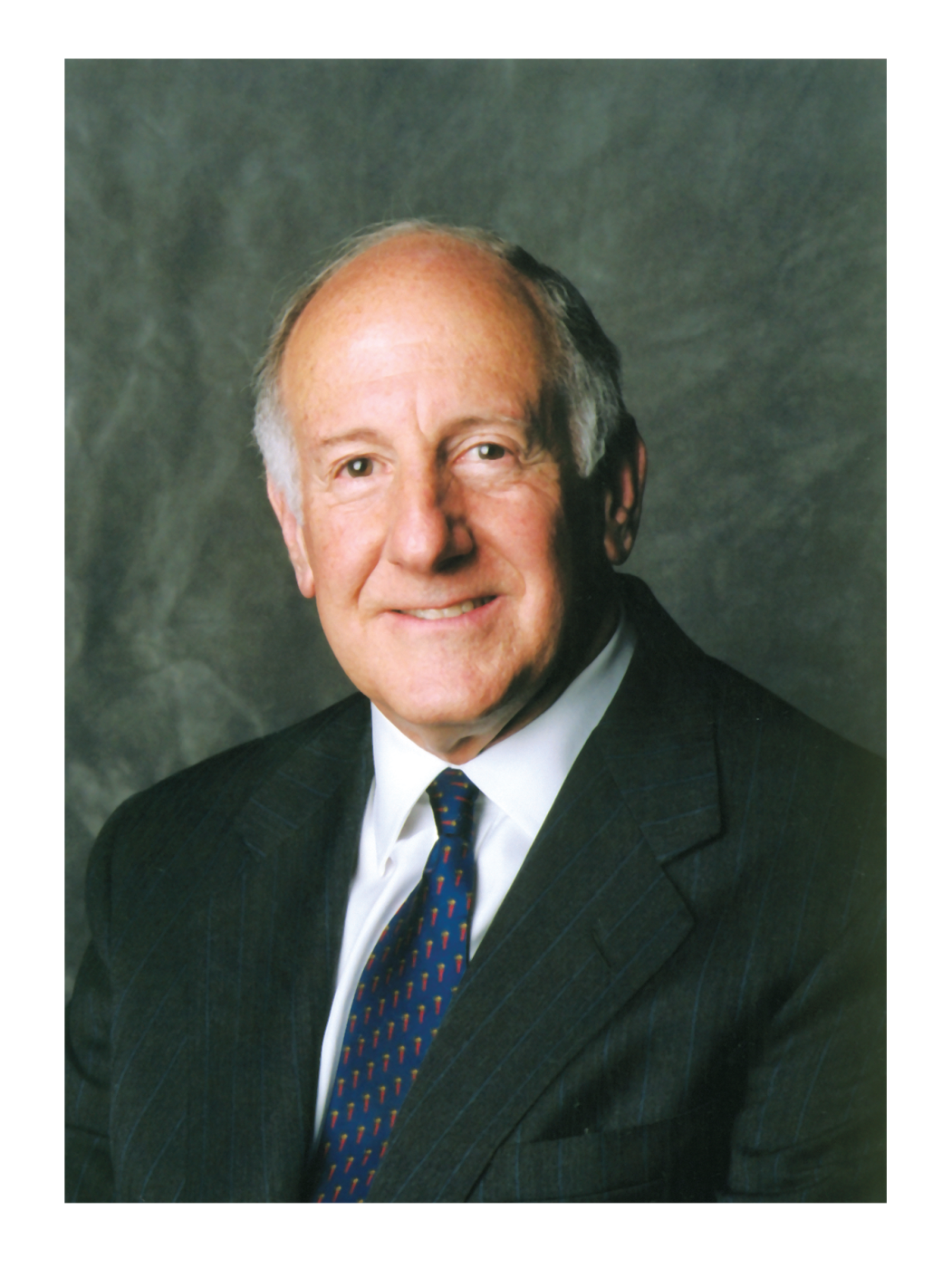
Q: Good afternoon, Chief, it’s great to hear your voice again. I was hoping to ask you a few questions about your tenure.
Chief Justice George: Certainly, my pleasure.
Q: Looking back at your tenure as both the Chief Justice of California and the chair of the Judicial Council, what do you think you wish you knew before you took on this task?
Chief Justice George: I wish I had fully realized how varied the court practices and procedures were among the various courts and how each court really regarded itself as a separate entity and not firmly integrated into a statewide system. Because that perspective became a significant challenge as the Judicial Council moved forward with various changes and reforms.
Q: What did you know about the Judicial Council while you were an attorney or as a judge? And what do you wish the public, court staff, attorneys, judicial officers, would know about the Judicial Council?
Chief Justice George: I did not know much about the Judicial Council as an attorney and not much more as a judge. As attorneys we knew that the Rules of Court emanated primarily from the Judicial Council, although sometimes there were local rules as well. I think for most judges the Judicial Council was an abstraction. There was not as much recognition as there should have been regarding how rules were a formal part of the judicial process and how those rules came into being with their input.
I do wish attorneys, judges, and the public would know more about the Judicial Council, realize perhaps that it is akin to a legislative body in some respects, and its judges and attorneys are like legislators in the adoption of rules that govern court procedures. Council members, whether judges, attorneys, or court administrators don’t advance their personal agendas when they assume their roles on the council but work toward a consensus by taking into account all the competing interests.
Q: Looking back on your tenure, what were your biggest challenges as a chair of the Judicial Council and what are you most proud of?
Chief Justice George: Getting adequate funding was and is always a core issue for the judicial branch. Before that could be addressed we had to get the other branches of government to recognize that we are a separate branch of government and not a group of locally-funded entities. We had to be treated like a separate branch and we also had to act like one. When I became Chief Justice I took up the task of visiting courts in each of our counties and I could see first-hand the result of inadequate and inequitable distribution of resources.
As Chief Justice of the state and chair of the Judicial Council I recognized early on that creating a truly coequal judicial branch governance would depend on a number of reforms. We would have to shift funding from the county to the state to provide more resources to be distributed equitably among the courts. We would need to unify a sprawling court system of municipal and superior courts into 58 superior courts and ensure that the courts–not the counties–had control over their own employees. Finally, we would need to transfer the building and maintenance of court facilities from local to state-level control through the Judicial Council. It took a number of years to achieve these reforms and we laid the groundwork for it with the help of farsighted individuals in all three branches of government. I relied on personal relationships within the court system and within the two branches of government to push for these reforms.
Even after achieving state trial court funding and unification, we still had to work to change the mindset–and rules–within our own branch. In my meetings with justice system partners it became clear that the court system had a wide array of practices that continued to impede the practice of law from one jurisdiction to another. As a result of these concerns the Judicial Council began to exercise more and more the constitutional rulemaking authority that it possesses but had not fully exercised in the past. We basically began to preempt more local rules by promulgating statewide rules.
The things I'm most proud of in my role as chair of the Judicial Council would be having the judiciary be in fact and in perception a separate and coequal branch of government. And in addition to all that, obtaining dependable funding for the operation of the judicial branch.
Q: You had an amazing run. Is there anything else you wish you could have accomplished, that you left unfinished?
Chief Justice George: Well, I suppose this is perhaps going to sound a bit immodest, but I felt that the heart of what I wanted to accomplish–of having the judicial branch act and be empowered as a separate and coequal branch of government–was achieved during my tenure. I think the judges realized that it was very much to their own benefit, not only in their independence but in terms of actual resources to them and their courts.
What I would have liked to have accomplished, that I wasn't able to do, was just to have it done faster.
Q: What do you miss the most about your time in the council?
Chief Justice George: Well, what I miss is having that contact with judges throughout the state and at all levels. One of the great pleasures I had was fulfilling my promise to visit the courts in all 58 counties during my first year as Chief Justice. And I was just astounded by the variety of local conditions and the ways in which those challenges were met by the adoption of innovative measures on a court-by-court basis. It was terrific going down to the large metropolitan courts in Los Angeles or going to remote areas in Northern California, where I visited a couple of court sites by boat, going up a river. The variety was really terrific and I enjoyed making a point of educating myself as to what the different conditions and the different needs were. That was one of the highlights for me.
I miss being exposed to what the courts were doing, not just during those trips to the courts in the 58 counties, but also, just hearing about local experiences during Judicial Council meetings.
Q: What message do you have for council members and staff as we celebrate the council's 100th anniversary?
Chief Justice George: I don't want to be presumptuous in terms of coming down with some seemingly all-knowing message, but I think it's so important to appreciate the enormous diversity in conditions among the courts. That diversity demands diverse solutions to meet local needs, and that the courts can adopt and adapt from what each court has done. We all learn from each other.